
PSA's Upcharge Rule Can Add $500 to Your Grading Bill
A PSA upcharge is priced off what your card is worth after grading, not what you paid for it. We ran seven live grade grids to see which cards trip the rule.

Pick Regular at $79.99, mail in a card you bought for ninety bucks, and you can still be billed $349 for that one card. PSA prices grading off what the card is worth once a grader has looked at it, not off what you paid or what tier you clicked, and its terms let it put the difference on your card without contacting you first.
This is the part of grading economics nobody budgets for. The fee schedule gets quoted everywhere as a flat number, so people run break-even math on $79.99 and get surprised at the end.
What PSA actually says
Two clauses in PSA's submission terms do the work here, and they are worth reading in the original rather than through somebody's summary.
The first sets the rule. You are told to "select a Service Level with a Maximum Insured Value greater than your estimate of the post-grading fair market value of each item in your order," and if PSA decides "at any point in the process" that your card is worth more than the cap on the tier you chose, it "reserves the right to require you to pay an adjusted grading fee" at whichever tier does cover it. Refuse to pay and the card comes back ungraded at your cost, and you still owe the original fee.
The second sets the ceiling on how much of that can happen quietly. You authorize PSA to charge the adjusted amount "without notice to you or further authorization by you," as long as the service level adjustments on the order add up to no more than $500, so anything past $500 means somebody has to actually reach you and anything under it can simply land on your statement.
Both of those were live on psacard.com as of today, August 10, 2026. Worth saying plainly: PSA determines fair market value at its sole discretion, so this is a right it holds rather than a process that fires on every card, and plenty of submissions cross a cap without ever getting touched. That discretion is the reason you cannot treat the cheap tier as a default.
The tiers as they stand right now
Value services are still paused, so the cheapest door is Regular. Here is the live board, pulled from PSA's grading page today.
| Service level | Price per card | Max insured value | Estimated turnaround |
|---|---|---|---|
| Regular | $79.99 | $1,500 | 40 to 50 business days |
| Express | $149.00 | $2,500 | 20 to 30 business days |
| Super Express | $349.00 | $5,000 | 10 to 15 business days |
| Walk-Through | $599.00 | $10,000 | 7 to 10 business days |
Note what the caps are attached to. They are insurance limits, and the tier you pick is how you declare value, which is why a cheap card with an expensive ceiling ends up in an awkward spot. The gaps between rungs are brutal: Regular to Super Express is $269.01, which sits under the $500 line and can be charged without a phone call. Regular to Walk-Through is $519.01, which clears it.
Which Pokemon cards trip the rule
We pulled live PriceCharting grade grids on seven cards this morning, August 10, 2026, and lined each PSA 10 up against the tier it would land in.
| Card | Ungraded | PSA 10 | Tier the PSA 10 needs | Fee |
|---|---|---|---|---|
| Greninja BREAK #41 (BREAKpoint) | $17.88 | $977.00 | Regular | $79.99 |
| Mew ex #232 (Paldean Fates) | $1,000.00 | $3,209.91 | Super Express | $349.00 |
| Giratina V #186 (Lost Origin) | $770.00 | $3,375.00 | Super Express | $349.00 |
| Umbreon VMAX #215 (Evolving Skies) | $2,212.50 | $4,300.00 | Super Express | $349.00 |
| N's Zekrom #31 (Pokemon Center promo) | $93.31 | $4,399.00 | Super Express | $349.00 |
| Gengar & Mimikyu GX #165 (Team Up) | $1,375.58 | $7,800.00 | Walk-Through | $599.00 |
| Ash-Greninja-EX #XY133 (promo) | $31.00 | $9,830.44 | Walk-Through | $599.00 |
Only one of the seven is safe on Regular.
Giratina V is the version of this most flippers will actually meet. A Lost Origin alt art at $770 raw sits about half of the way to the Regular cap, so nothing on the submission screen suggests a problem, and then the $3,375.00 PSA 10 lands two rungs up at Super Express. The card never felt expensive enough to go looking for a cap, which is how a $269.01 adjustment ends up as a surprise.
Ash-Greninja-EX is the extreme version. The blended ungraded figure reads $31.00 because PriceCharting is averaging in beaten copies that will never grade, and a near-mint one runs about $112 on TCGPlayer as of August 8. Either way you are buying a two-figure card, which makes $79.99 feel like the obvious tier, and if it gems you are looking at a $9,830.44 comp that belongs on the $599 rung. That is a grading fee roughly five times what the card cost you.
If you want to see one land on a real Pokemon submission, this walkthrough is from last September, so treat the fees in it as the older board rather than today's:
Gengar & Mimikyu GX shows the sneakier version. Its raw sits at $1,375.58, about $124 under the Regular cap, so the tier looks fine right up until the slab comes back at a $7,800 comp. We flagged this card as a caution back in June and called for the raw to give back part of its spike. It did the opposite and has held above $1,500 on TCGPlayer since, which is a call worth owning, and it also means anyone who bought into it then is now sitting on exactly this problem.
What it does to your break-even
Here is where it gets counterintuitive, because the upcharge is close to harmless on the cards that look scariest and genuinely decisive on the ones that look safe.
Take N's Zekrom in its Pokemon Center promo printing. Buy at $93.31, and against a $4,399.00 PSA 10 and a $135.39 Grade 9, the gem rate you need to break even on Regular money is about 1.5%. Move it to the $349 tier it actually belongs on and that becomes roughly 8.7%. The number nearly sextupled and the trade is still excellent, because when the ceiling is forty times the floor, a couple hundred dollars of fee barely registers.
Now run Umbreon VMAX. A near-mint copy runs around $2,396 on TCGPlayer as of August 8, the PSA 10 comp is $4,300, and the Grade 9 comes back at $2,180, which is already below what you paid. Budget the $149 Express tier its raw value points at and you need about a 35.2% gem rate to break even after roughly 13% in selling fees. Pay the $349 its PSA 10 actually calls for and the bar moves to about 46.0%. Moonbreon is not a card that gems 46% of the time.
The upcharge hurts in proportion to how close your card's raw price already sits to its PSA 10, and it is nearly free when the two are far apart. Which is the inverse of how it feels, because the expensive-looking fee lands on the expensive-looking card.
It also stacks on top of a problem we have written about before, that a Grade 9 on a modern chase card can come back worth less than the raw you sent in. Umbreon VMAX is doing both at once: the miss case is underwater on its own, and the hit case costs an extra $200 to collect.
How to actually pick the tier
The habit to build is small. Before you fill out a submission, pull the live PSA 10 comp for the card, not the raw price, and find which cap it sits under. That number is what PSA is pricing against, so it is the one that decides your fee.
Then put the real tier fee into your break-even instead of $79.99. Our $79.99 break-even math holds up fine for cards whose PSA 10 stays under $1,500, and it understates costs everywhere above that. Flipr's profit calculator lets you set the grading fee per submission for this reason, and it is worth changing rather than leaving on the default.
A very large raw-to-PSA-10 multiple is the market telling you the gem rate is low, and those same fat multiples are exactly the cards whose ceilings clear a tier cap. So the fee risk and the grade risk land on the same submissions, which is a good argument for running the pre-grade checks properly before you commit to a tier you cannot cheaply be moved off of.
So before your next submission goes out, look up the PSA 10 comp and let that number choose the tier. It costs nothing to check, and it is the number PSA will be pricing against regardless of what you clicked.
Want to flip smarter, not harder?
Flipr's free toolkit surfaces the most profitable cards to grade and the spreads to arbitrage, refreshed every 30 minutes. Twelve tools, zero subscriptions.
Open FliprMore on PSA flipping
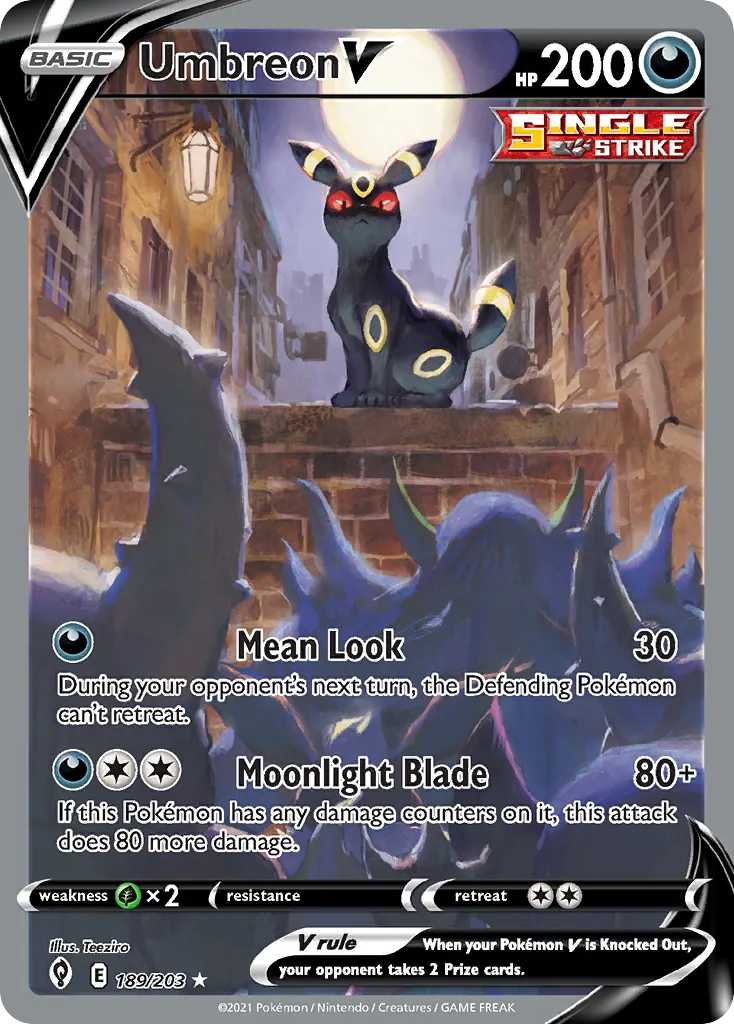
PSA Regular vs Express: Is Skipping 50 Business Days Worth $69?
PSA's Regular tier now takes 70 to 80 business days, up from 40 to 50 two weeks ago. We ran live grade grids to see when the $149 Express upgrade pays.
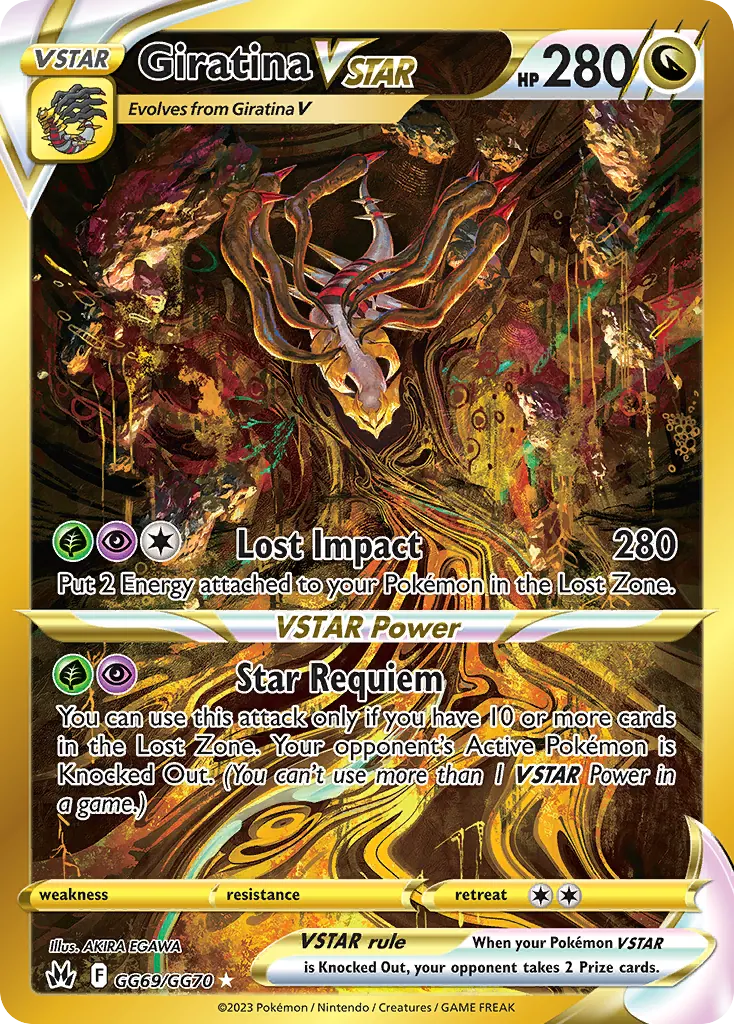
Buy the PSA 10 or Grade Your Own? The $79.99 Math
PSA paused its Value tiers, so grading now starts at $79.99. We ran the break-even gem rate on seven live price grids to find when buying the slab wins.
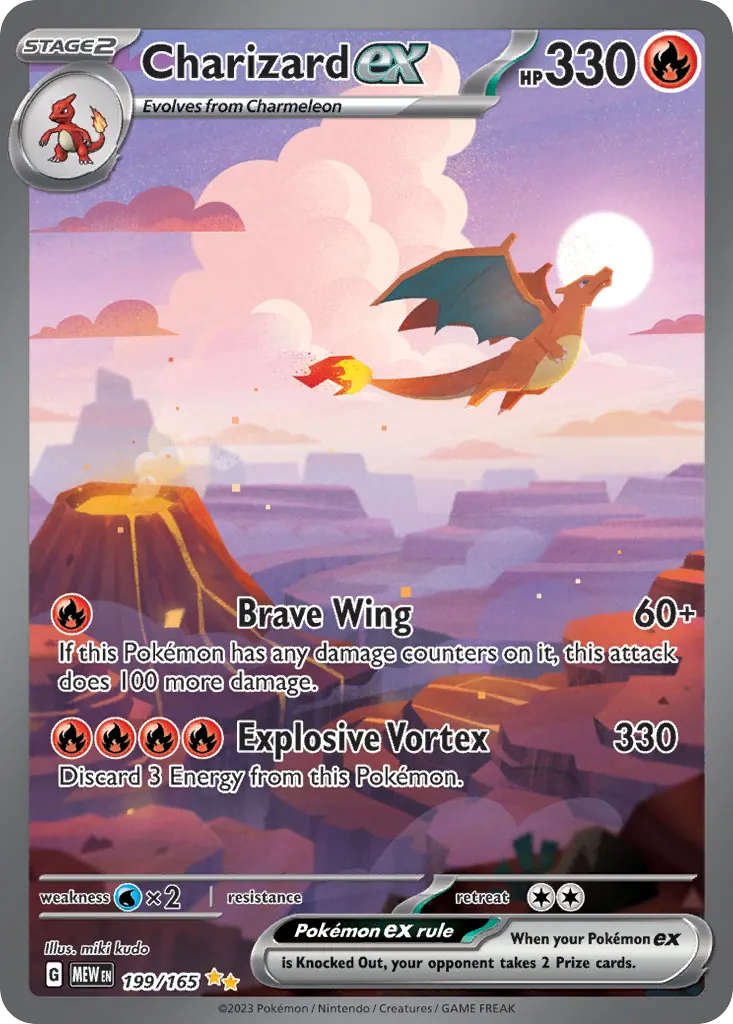
Only 34% of English Pokemon Cards Get a PSA 10
We read the PSA population report on September 21. Across 20.5 million graded English Pokemon cards, 34.2% came back a 10, and the rate swings hard by set.