
Why New-Set Chase Cards Drop in Month Two
New-set Special Illustration Rares carry a launch premium that fades fast. We called Mega Greninja ex at $500. It is $323 now. Here is how to time the drop.
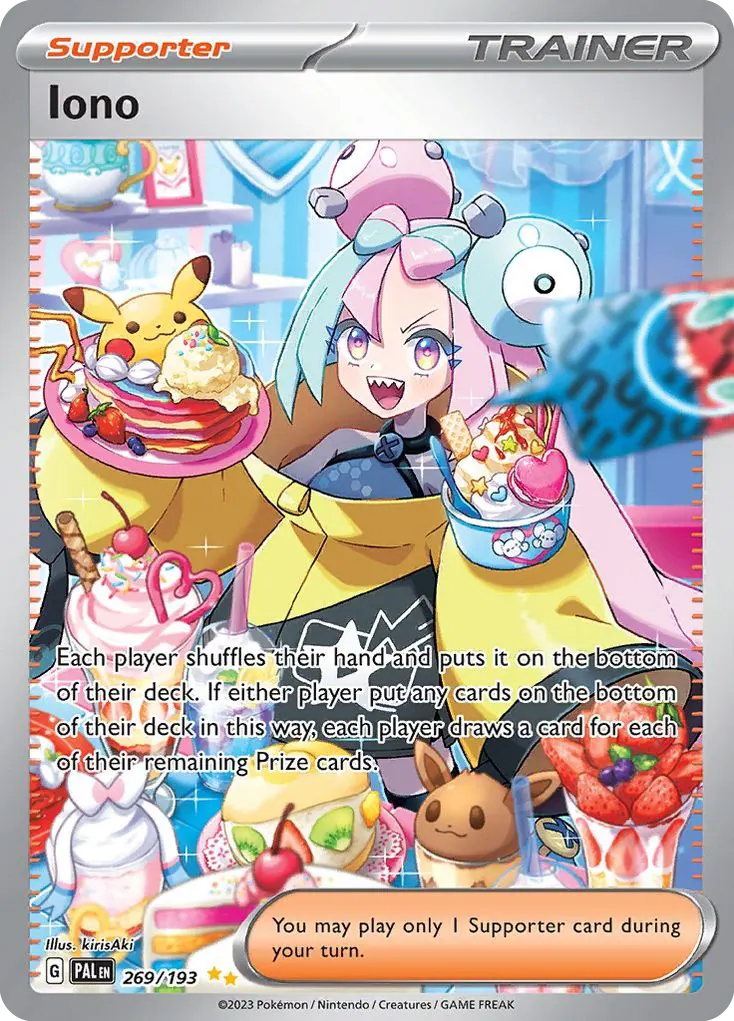
Four weeks ago we told you to be careful chasing the Mega Greninja ex Special Illustration Rare at $480 to $520 a copy. The advice was plain: if you already owned one, grade it and hold; if you were thinking about buying at retail, wait two weeks and watch how many copies were actually selling before you committed. Today that card reads $323.36 ungraded on PriceCharting, pulled this morning, June 22, 2026. Anyone who waited just saved roughly a third of the buy price.
We are not writing this to take a victory lap. We are writing it because the drop was not luck and it was not a Greninja story. It is the single most predictable thing a brand-new chase card does. Once you see the mechanism, you can time it on purpose, and the next big set lands in three weeks.
The supply wave nobody prices in at launch
A brand-new set is the only moment in a card's life when supply is artificially thin and demand is at its absolute loudest at the same time. The week a set drops, the only copies of the chase card in existence are the ones the earliest box-breakers have already pulled. Meanwhile every reveal video, every "look what I hit" post, and every player finishing a deck is pointed at that exact card. Thin supply plus peak attention equals the highest price the card will ever see in its first year.
Then the rest of the print run gets opened. Cases keep cracking for weeks. Every SIR that comes out of a pack is a new seller listing against the same pool of buyers, and the listing count climbs faster than fresh demand arrives. Price slides until it reaches the level where real, durable collector demand actually sits. That settling point is the floor, and it is almost always well under the launch number.
Mega Greninja ex is the live example. It launched in the $480 to $520 range when we first flagged it as the breakout of Chaos Rising, and it has given back about 35% in roughly a month. Nothing went wrong with the card. The supply wave simply did what it always does.
Same set, same week, nine times apart
Here is the part most people get wrong. The supply wave hits every card in the set, but it does not hit them equally, and that gap is where the money is.
Take two Special Illustration Rares from the exact same set, Chaos Rising, both about a month old, both pulled from the same boxes:
| Chaos Rising SIR | Launch raw | Ungraded today (Jun 22) | Drop |
|---|---|---|---|
| Mega Greninja ex #116 (set mascot) | ~$500 | $323.36 | ~35% |
| AZ's Tranquility #120 (trainer) | ~$105 | $35.22 | ~66% |
Both fell. The mascot did not get a free pass on the month-two slide, and anyone who told you a popular face card is "safe" at launch was wrong. What the mascot premium actually bought was a far higher floor. Mega Greninja sits about nine times above the trainer SIR from its own set. The supply wave decides that both cards fall. Popularity decides how far.
That is the correction to a belief we have leaned on before, including in this ledger: that a top-popularity mascot SIR is protected. It is protected from collapsing to bulk. It is not protected from shedding a third of its value in the first month. Treat those as two different things and you stop overpaying in launch week.
Where the price actually lands
If you want to know what "done correcting" looks like, stop staring at the new set and look at the old ones. These SIRs are well past their supply wave, so their prices are set by steady demand, not hype:
- Pikachu ex #238, Surging Sparks, released late 2024: $315.24 ungraded, with a PSA 10 at $1,081.03. Liquid, stable, boring in the best way.
- Dragapult ex #165, Prismatic Evolutions, released early 2025: $118.15 ungraded, PSA 10 at $297.50.
Both numbers pulled today. The point is not the specific prices. It is that a new SIR's launch number tells you almost nothing about where it will settle. A heavily-opened set's mascot can land anywhere from a third to half of its first-week ask. The launch price is a sentiment reading, not a value.
This also reframes the grading question. The PSA 10 on Mega Greninja already reads $1,362.50 while the raw is still sliding, so if you pulled a clean copy, the slab can sidestep the raw correction entirely. Just run the ladder math before you submit, because a grade is not a free upgrade and on plenty of cards the lower tiers actually sell below raw.
How to time the drop
The framework is short:
- Do not buy a chase SIR in its launch week unless you are a player who needs it to compete now. Everyone else is paying the single highest price the card will print all year.
- Watch sold-listing depth, not asking prices. Asks are wishful. The honest signal is how many copies clear per day and at what number. When the daily sold count steadies and the price stops making lower lows, the wave has passed.
- Give it 6 to 10 weeks. That is the usual window for the slide to play out on a normal-supply modern set. Mega Greninja is roughly four weeks in and still settling.
- If you pulled it, grade-and-hold is a different bet. It dodges the raw slide, but only if the graded comp justifies the fee. Mind the gap between a PSA 9 and a PSA 10, because on most modern SIRs that gap is the entire trade.
- Remember what the saved money is doing. Capital you do not sink into a launch-week SIR is capital working on a faster flip somewhere else, which is the whole profit-per-day argument.
You get a clean test of this in three weeks. Pitch Black, the Mega Darkrai ex set, releases July 17, 2026. Its chase SIR will be at its most expensive the week it drops, when supply is thinnest and the hype is loudest. By early-to-mid September, after the boxes have been opened and the wave has run, expect it cheaper. We will be tracking the sold depth on it from day one, and a Flipr watchlist makes that easy to see: you are not guessing where the price went, you are watching the clears thin out in real time.
The takeaway
A launch price is the most emotional number a card ever wears. The supply wave is mechanical, it is repeatable, and it does not care how good the art is. Mega Greninja ex losing a third of its value in a month was not a surprise; it was the schedule. Use the next launch to practice. Note the chase SIR's price on July 17, do nothing, and check it again in September. The gap between those two numbers is the lesson, and from now on it can be your discount instead of your loss.
Want to flip smarter, not harder?
Flipr's free toolkit surfaces the most profitable cards to grade and the spreads to arbitrage, refreshed every 30 minutes. Twelve tools, zero subscriptions.
Open FliprMore on PSA flipping
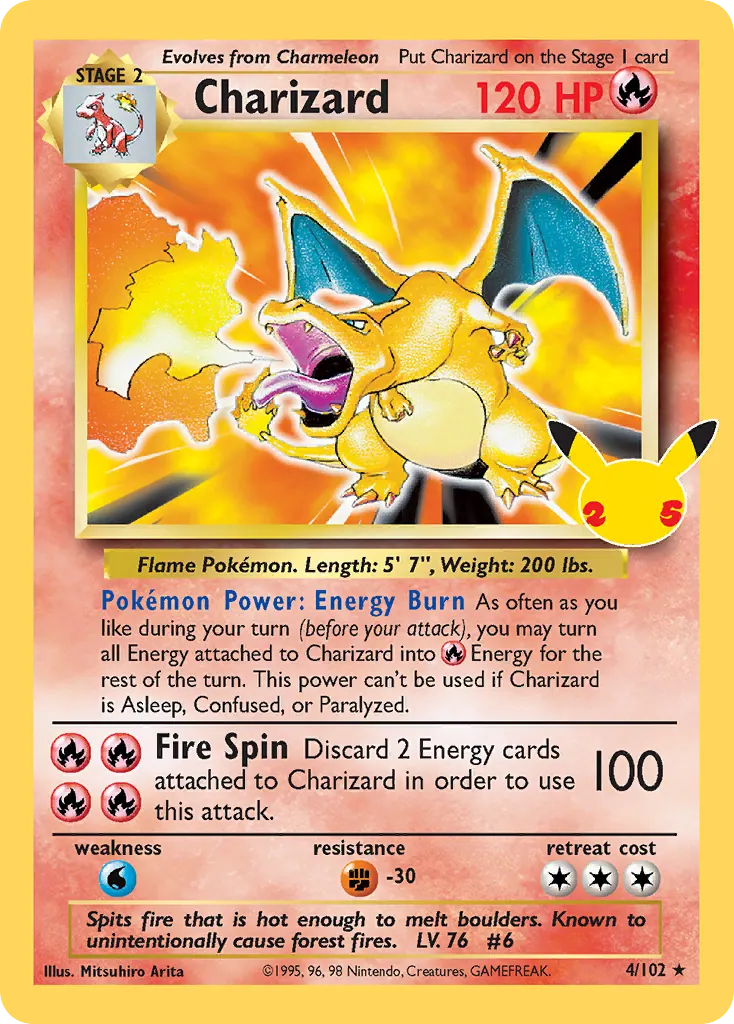
Do Pokemon Card Reprints Hurt the Original's Value?
Pokemon is reprinting Base Set Charizard for its 30th anniversary. Does that tank the 1999 original? We pulled the real prices. Mostly no, with one catch.
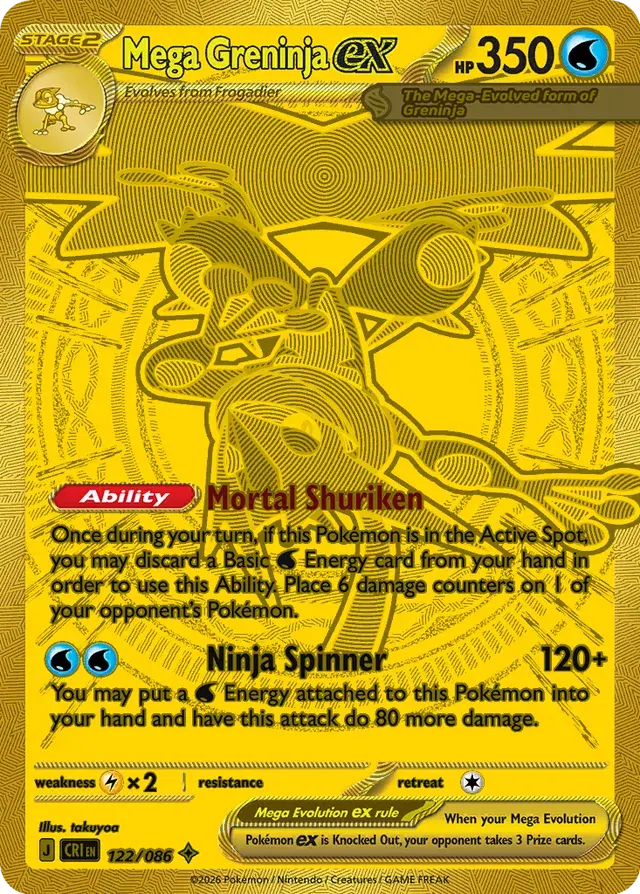
Mega Greninja ex PSA 10 Price Fell 42% in Two Months
On August 3 we said Mega Greninja ex was worth grading. Its PSA 10 has since fallen from $693.60 to $400.79 while 3,176 new slabs came back from PSA.
PSA 10 Pokemon Card Prices Are Dropping Faster Than Raw Cards
We re-checked eight cards we covered since May. Raw prices fell about 14%, PSA 10 prices fell about 19%, and the reward for grading shrank on six of the eight.